
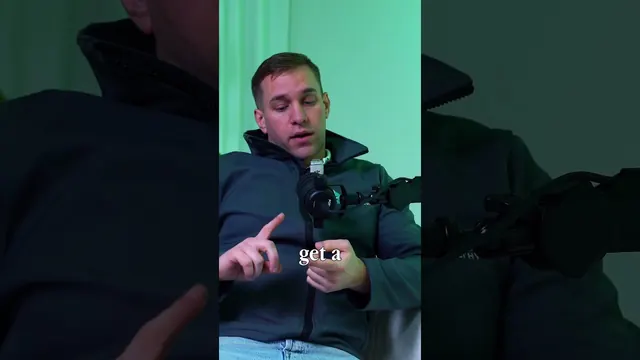
Short-form and long-form video are two ways to tell a story, not two competing types of business. One helps a viewer notice an idea quickly. The other gives you room to explain it, show evidence and build a fuller relationship.
The right choice depends on what your audience needs to understand and what you want them to do next. Many businesses get the best use from combining both: a useful longer video at the centre, supported by shorter edits that introduce its strongest moments.
What is short-form video?
Short-form video is concise content created for a quick, focused viewing experience. It is commonly made for vertical feeds such as Instagram Reels, TikTok and YouTube Shorts, although short videos also work in ads, websites and email.
The format is a good fit when one idea can be made clear in a brief moment. A product demonstration, a direct answer to a common question, a quick before-and-after or one useful founder tip can each stand on its own.
Short does not mean rushed. The viewer still needs enough context to understand the point, and the ending should feel complete. If the idea needs several qualifications or steps, forcing it into a few seconds can make the message confusing.
What is long-form video?
Long-form video gives a subject more space. It might be a customer interview, a detailed service explanation, a product walkthrough, a webinar, a podcast episode or a company story.
Use a longer format when trust depends on explanation or proof. A viewer considering a complex service may need to hear the questions, see the process and understand what happens after they enquire. A two-minute case study can do more for that decision than several unrelated quick clips.
There is no universal duration that separates the two. Platforms define and update their own formats, and viewers do not all have the same patience. Choose the length that serves the story, then check the current publishing requirements for the channel you are using.
The practical difference
Think about the role each video plays in the customer journey:
- Short-form introduces. It can surface a useful idea, make a business feel familiar or prompt a viewer to learn more.
- Long-form explains. It can answer follow-up questions, show a fuller process and give evidence for a considered decision.
- Short-form tests. A set of focused clips can help you learn which questions or openings make the right people stop.
- Long-form deepens. A detailed interview or demonstration can help interested viewers decide whether your approach fits.
These are useful tendencies, not guaranteed outcomes. A short video can convert directly when the offer is simple and the next step is clear. A long video can reach new people if its topic and packaging match what they want to watch.
When should a Dublin business choose short-form?
Start with short-form when you have a clear point that is easy to show or answer. It often suits product features, quick process demonstrations, common customer questions, event moments and concise expert advice.
For example, a Dublin trades business could show one sign that a ventilation system needs attention, then direct viewers to a fuller service explanation. A restaurant could show how a dish is prepared and give a simple booking prompt. A consultant could answer one question that prospects regularly ask before a call.
If you want help planning, filming and editing a batch of vertical videos, see our short-form video production service in Dublin.
When is long-form the better choice?
Choose a longer video when a viewer needs context before trusting the message. This might include a project case study, a detailed product or service walkthrough, a founder interview or a customer story with enough detail to feel credible.
Long-form can also become a useful source for shorter content. A well-planned interview may include several distinct answers. Each can be edited into a standalone clip, provided the edit preserves the question or context needed to make the answer understandable.
Our Dublin video production service can plan the main story and the intended cut-downs together, so the shoot captures what each format will need.
How to use both formats together
Build the longer piece around one substantial question or story. Before filming, identify the moments that could work independently: a clear answer, a surprising detail, a demonstration or a concise example.
Then plan each short edit as its own small story:
- Give it a clear opening that makes sense without watching the full video.
- Keep the most useful explanation or visual proof.
- Remove pauses and repetition while keeping the speaker natural.
- Add readable captions and a next step that fits the viewer’s interest.
- Link to the full explanation when that extra detail helps.
Do not simply cut the first 20 seconds from a long video and assume it will work in a feed. A standalone clip needs its own context, framing and ending.
Measure each format by its job
For short-form, review whether people stay past the opening, how long they watch, whether they replay or share it, and whether the right people visit your profile or site. For long-form, look at retention through important sections, viewing time, questions generated and actions after viewing.
For both formats, connect those signals to the business outcome where possible: relevant website visits, calls, enquiries, booked consultations or sales. Views alone cannot tell you whether the video reached a likely customer.
YouTube’s creator guidance recommends reviewing audience retention and using the moments viewers stay with to improve future videos. Its recommendation and performance guidance also emphasises matching the opening to the promise of the title and thumbnail. Results still depend on the audience, topic and execution.
A simple way to decide
Ask three questions before choosing a format:
- What does the viewer need to understand or believe?
- Can we make that point clearly in one short idea, or does it need a fuller explanation?
- What is the most useful next step after watching?
If one idea can answer those questions quickly, begin with a short video. If the viewer needs evidence, nuance or a story, give it more room and create shorter supporting clips as well.
Tell us what your audience needs to understand and where you plan to publish. We can recommend a practical video production plan for your business before filming begins.