
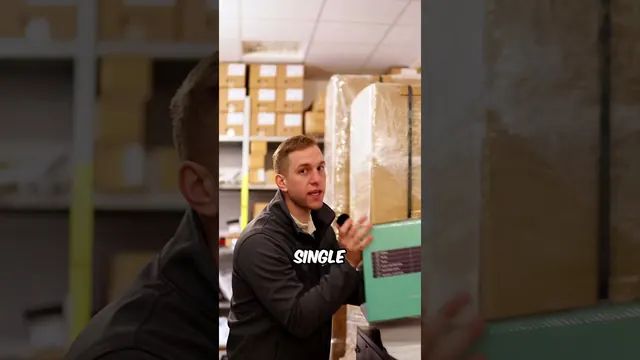
A business video is expensive when nobody knows what it is meant to do.
The camera arrives, the team gives a general introduction, some attractive footage is filmed and the final video is posted once. A few weeks later, the business needs another video and starts again from zero.
A better production begins with the customer problem, the message and the places where the footage will work. The shoot can then create a main film, shorter campaign edits and useful supporting clips from one plan.
This guide explains how to plan a business video production in Dublin without turning the process into a full-time job for your team.
Give the video one clear job
Before discussing cameras or locations, finish this sentence:
After watching the video, the right customer should understand, believe or do what?
A business video may need to:
- explain a service that customers misunderstand;
- show the people and process behind the company;
- answer a common sales objection;
- introduce a product or new offer;
- turn a customer result into credible proof;
- promote an event or capture it for future campaigns;
- train customers or staff consistently;
- encourage a call, booking or enquiry.
Choose one primary job. A video can support other goals, but the main decision keeps the message focused.
Our video production service in Dublin uses this goal to shape the concept, script and final list of deliverables.
Define the audience before writing the script
The script should sound like it was made for one recognisable customer, not every person who might visit the website.
Write down:
- who the viewer is;
- what situation they are in;
- what they already know;
- what they are worried about;
- what proof they need;
- what action they can realistically take next.
This removes generic company language. Instead of opening with how long the business has existed, the video can begin with the problem the viewer is trying to solve.
Experience and credentials still matter. They become proof inside the story rather than the entire story.
Decide the outputs before filming
Do not film one horizontal video and hope it can be turned into every other format later.
List the final outputs first. A connected production might include:
- one main website or campaign film;
- a shorter service explainer;
- three focused advertising edits;
- vertical clips for Reels, TikTok and Shorts;
- a customer or team interview;
- silent background footage for a website;
- still frames or separate photographs;
- an internal training version.
The list changes the filming plan. Vertical clips need different framing. Paid advertisements need quicker openings and a single offer. Website video may need space for text or a silent first view.
Planning the outputs early is how one production becomes a useful library instead of one finished file.
Build the message around a problem and a change
Most strong business videos have a simple structure:
- The customer has a recognisable problem.
- The business understands why it matters.
- The service or product creates a clear change.
- Proof makes the claim believable.
- The viewer receives a sensible next step.
This is not about making the video dramatic. It is about making it easy to follow.
For a complex service, show the process in a few visible stages. For a product, demonstrate the feature that removes the customer’s doubt. For a customer story, let the result come from the customer rather than a list of claims from the company.
Our corporate video production service is designed for service explainers, customer stories, training and business campaigns where clarity matters more than spectacle.
Use talking points instead of memorised paragraphs
Most business owners and team members sound more natural when they understand the point, not when they memorise a full page.
Prepare short talking points and interview questions. The producer can guide the conversation, ask for a clearer version and combine the best answers in the edit.
Useful questions include:
- What problem usually brings a customer to you?
- What do people misunderstand before the first call?
- What happens after they contact you?
- What makes a successful result?
- What should the customer prepare?
- What proof can you show rather than claim?
If exact wording is legally or technically important, use a script or teleprompter for that section. The rest can remain conversational.
Make the shot list prove the message
B-roll is the supporting footage shown over interviews, voiceover or music. It should explain and prove what is being said.
If the speaker mentions care, show the detail in the process. If they mention speed, show the organised handover. If they mention a finished result, show it clearly.
A practical shot list can cover:
- the location and exterior;
- the team at work;
- customer-facing moments where permission exists;
- equipment, products and details;
- each important process stage;
- the result or finished environment;
- wide, medium and close versions;
- horizontal and vertical compositions;
- clean shots with room for titles.
Every shot should support the story or a planned cut-down. Random footage makes the edit slower without making the film better.
Prepare the Dublin location
Sound is usually more fragile than the image.
Check for traffic, machinery, air conditioning, music, public announcements and echo. A visually impressive room may be unsuitable for an interview if nobody can hear a clean sentence.
Before the shoot, confirm:
- access times and parking or loading;
- permission from the building or venue;
- the quietest space for interviews;
- power and lighting limitations;
- people who need to appear;
- uniforms, products and branded material;
- customer or staff release requirements;
- a weather alternative for exterior scenes.
For an event, share the running order and the moments that cannot be repeated. Our event videography planning covers speakers, atmosphere and short campaign edits around the event schedule.
Keep the filming day focused
A simple production schedule should show who is needed, where and when.
Group interviews together. Group shots by location and lighting setup. Film people when they are prepared instead of asking them to wait throughout the day.
Allow time for:
- equipment and lighting setup;
- sound checks;
- a relaxed first interview take;
- essential process footage;
- variations for vertical and horizontal use;
- room resets and travel between locations;
- a final check against the must-have shot list.
The goal is not to make the day feel rushed. It is to protect the footage the business actually needs.
Agree the edit before production begins
Clarify the approval process early.
The scope should explain:
- final video lengths and formats;
- captions and on-screen titles;
- brand assets and logos;
- music and voiceover requirements;
- colour and sound finishing;
- review stages and decision-makers;
- delivery deadline;
- usage across website, organic social and paid advertising.
Choose one person to collect internal feedback. Contradictory notes from several people create unnecessary revision rounds and often weaken the original message.
If budget planning is still unclear, read the Dublin videographer cost guide for the production factors that affect a quote.
Plan distribution before the video is delivered
Publishing is not a plan on its own.
Decide where each edit will appear and what happens next:
- The website film should sit near the relevant service and enquiry path.
- A customer story can support sales follow-up and retargeting.
- Short clips can answer individual questions over several weeks.
- Event footage can promote the next event, sponsors and future attendance.
- Training video should live where staff or customers can find it again.
Write the page copy, captions, email or campaign around the same message. The video becomes stronger when the surrounding content gives it a clear role.
Measure what the video was hired to change
Views are useful, but they are not always the result.
Match measurement to the job:
- service video: page engagement, calls and enquiries;
- campaign edit: qualified leads and cost per lead;
- product video: product page actions and sales;
- customer story: assisted enquiries and sales use;
- event video: registrations, sponsor value and future promotion;
- training video: completion, repeated questions and staff time saved.
Tracking will never explain every sale perfectly. It can still show whether the video is reaching the right people and helping them take the next step.
The VentSolve content production project is an example of video used across brand, educational and internal communication rather than as an isolated post.
A simple business video brief
Send this information to the production partner:
- the business goal;
- the audience and their main problem;
- the offer or message;
- where the video will be used;
- the final outputs required;
- the people and locations involved;
- proof, products or processes to show;
- preferred timing and deadline;
- examples you like and what you like about them;
- the person responsible for approval.
You do not need a finished script. A good producer should turn this information into a practical recommendation and tell you what is unnecessary.
Choose the service that fits your plan
A one-off interview or service explanation belongs in a corporate video production brief. A batch for Reels and TikTok fits short-form video production; a continuing programme fits monthly social media content. Compare the corporate video cost breakdown before requesting a quote. For a nearby shoot, see our Swords filming arrangements.
Plan the speaker and the supporting work together
In the Perfect Clean owner-led advertising project, the owner spoke while the creative also showed the cleaning work process. The message centred on personal customer attention. A filming brief can start with that same pairing: what the speaker needs to explain and which part of the work makes it visible. For a larger topic list, the Balbriggan Braces video collection shows the difference between longer subject-based videos and shorter individual answers.
Plan a business video production that keeps working after launch.