
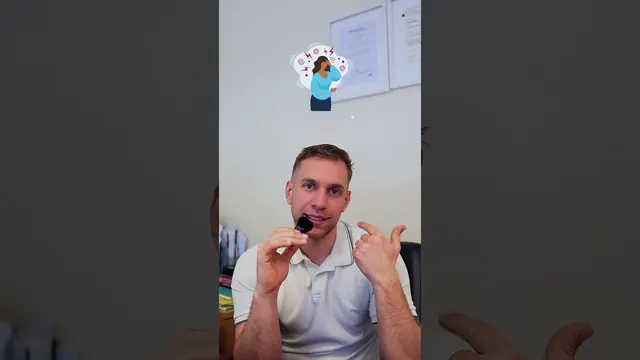
Short-form video gives a business a compact way to show its people, products and expertise in the same feeds where customers already spend time. It can make a service easier to understand and give a new viewer a reason to explore further.
But a vertical video is not automatically engaging. The first image, opening line, pacing and payoff all need to work together. The goal is not to trick someone into watching; it is to make the value clear quickly and deliver what the opening promised.
Why short-form video belongs in a social plan
People can understand a demonstration or a human explanation faster than a block of copy. Video combines movement, voice, expressions and text, which makes it useful for showing how something works and who is behind a business.
Short clips are also easy to test as a series. A business can answer several customer questions, show different parts of a process or present the same offer in a few relevant ways. Over time, the response can guide what to explain next.
That does not mean every business needs to publish every day, or that short-form guarantees reach. Platforms decide what to recommend, and the audience chooses whether to stay. A consistent set of useful videos gives you more opportunities to learn; it does not promise a particular number of views or leads.
Start with the viewer’s question
Before recording, write down one thing the intended viewer already cares about. It could be a problem, a comparison, a decision they are delaying or a result they want.
Turn that question into a single video idea. “Here is how our company began” is broad. “Here are three signs your office ventilation may need attention” gives the viewer a concrete reason to watch.
One video should usually carry one main point. If you have three separate tips, make three clear clips rather than racing through all of them in one breath.
Make the first seconds specific
The opening should quickly show who the video is for and why the topic matters. A strong hook might be a direct question, a visible result, a customer problem or the start of a useful demonstration.
For example:
- “Before you replace that extractor fan, check this.”
- “Here is what changes when we shoot this product in natural light.”
- “If your team is planning an event in Dublin, ask the venue these two things.”
- Show the finished cake first, then reveal the detail that makes it different.
Avoid generic introductions such as “Hi, I’m Peter from…” when the viewer does not yet know why they should stay. Introduce the speaker after the topic has earned a moment of attention, or include the name visually without delaying the useful part.
TikTok for Business describes an effective creative structure as hook, body and close. Treat that as a planning prompt rather than a rigid template: make a relevant opening, deliver the point and finish with a fitting action. Its Creative Codes guide offers platform-specific advertising guidance; organic posts still need to suit their audience and account.
Keep the promise and the pacing
Once the viewer stops, move directly into the explanation. Remove repeated points, long setup and pauses that do not add meaning. Use a close-up, a change of angle, on-screen example or relevant B-roll when it helps explain the point.
Fast editing is not the same as good pacing. Let an important demonstration or sentence land. If every second contains a cut, zoom or sound effect, the viewer may struggle to follow the information. Make each visual change support the message.
Most of all, deliver the answer suggested by the opening. A dramatic line that leads to a vague sales pitch can feel like bait and weaken trust. A clear hook followed by a useful answer is more likely to attract the people the business actually wants to reach.
Make the video work with and without sound
Many people encounter social video in situations where they cannot turn sound on. Add accurate captions for spoken words, check names and technical terms, and make sure text remains on screen long enough to read.
Keep important text away from the edges and from interface controls that may cover it. Review the final video on a phone in the app or preview where it will appear. Captions should be large enough to read, but not cover faces, products or the key action.
Voice and natural sound still matter when the audience listens. Record clean audio, reduce distracting background noise and choose music that does not compete with the explanation. Add music only when it helps the mood or rhythm.
Use a simple story structure
A useful short video can follow a simple sequence:
- Hook: Name the question or show the result.
- Context: Explain why the viewer should care.
- Proof: Demonstrate the process, show an example or give one clear reason.
- Close: Offer a relevant next step.
The close does not always need to say “buy now.” It could invite someone to save a checklist, watch the full explanation, visit a service page or ask a genuine question. Match the action to the video’s purpose.
Measure attention and useful action
Look beyond the total view count. Check the platform’s retention or watch-time information to see whether viewers leave at the opening, during a particular explanation or before the close. Compare similar videos and change one thing at a time, such as the opening line, first visual or length of the explanation.
Also look for meaningful responses: saves, shares, relevant comments, profile visits, website visits and enquiries. The right signal depends on the goal. An educational clip may earn saves; a service video may be expected to create qualified website visits. Track organic and paid distribution separately so you know where views came from.
YouTube’s audience-retention guide explains how to review dips, spikes and top moments in a video. Those reports can help you improve future content, but one result does not prove that a single editing choice caused performance to change.
A short checklist before publishing
- Is the intended viewer clear from the opening?
- Does the first image support the opening line?
- Is there one main idea, explained in plain language?
- Does the video deliver on its promise without unnecessary setup?
- Are captions accurate, readable and positioned safely?
- Is the next step clear and appropriate?
- Have you checked the edit on a phone?
- Do you know which metric will tell you whether it helped?
Planning, filming and editing can make this repeatable. Explore our social media content creation in Dublin for batch-produced Reels, TikToks, Shorts and photography, or see the short-form video production service for dedicated vertical video work.