
Real project by NextVision Studio
Dió Dublin: Emotion in the Details
Photography for Dió Dublin centred on activity, warmth and small details, with a public selection that communicates emotion without showing faces.
- Client
- Dió Dublin
- Location
- Dublin, Ireland
- Project
- School, preschool and community photography
- Date
- 2025
The brief
What the project needed to achieve
The creative challenge was to communicate the children’s setting, good atmosphere and participation through detail, without relying on faces in the selected images.
The work
What I created
Deliverables
- A detail-led public photograph selection
- Hands, activities, books and personal objects
- Web images checked and selected for a face-free presentation
Production choices
- Emotion conveyed through gesture and shared activity
- Attention to objects and the scale of the setting
- Individual image checks and a detail crop for the board-game view
Selected images from the project
The central challenge in the Dió Dublin photography brief was emotional: show the warmth, activity and good atmosphere of a children’s setting while keeping faces out of the selected images. A smiling portrait would have been an easy way to communicate enjoyment. This project required another way of seeing it, through hands, shared activities, objects and the small details that tell you people belong somewhere.
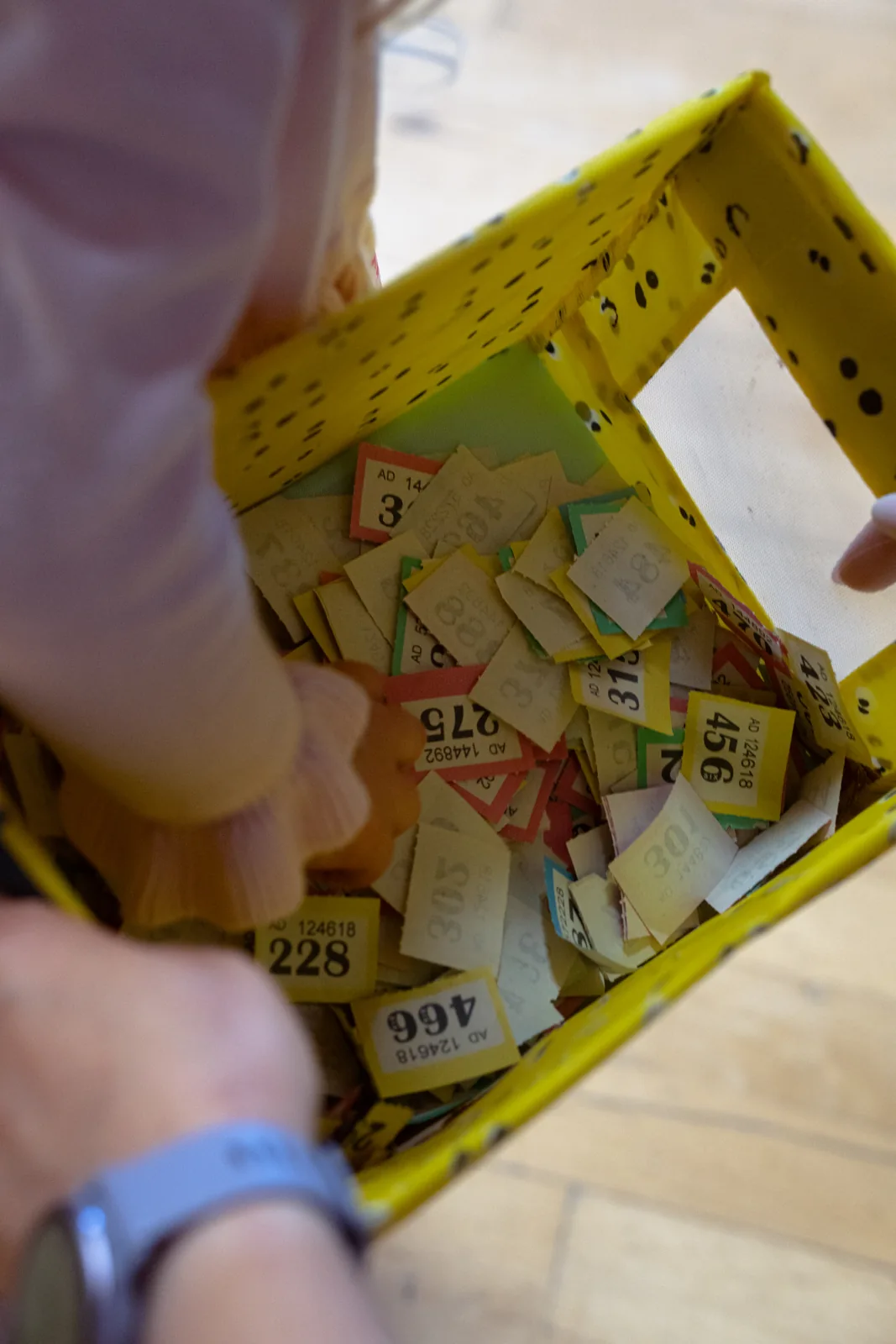
The selected photographs show that approach. A hand reaches into a box of tickets; a board game fills a table; books and personal belongings give the space character. These are photographs from the real project, chosen for this public case study with the same emphasis on detail and atmosphere. The work is part of my Dublin photography portfolio and demonstrates a brief where restraint is a creative requirement.
DIÓ is Dublin’s Hungarian school and preschool, with a community setting that gives the images their context. The photographs here concentrate on participation and the details surrounding shared activities.
An emotional brief with a clear boundary
The aim was to make the setting feel welcoming and alive. The boundary was equally clear: faces were not the way to tell that story. That changes the photographer’s attention from the start. Instead of waiting for a direct expression, I needed to notice the activity around it and decide which details could communicate participation, care or excitement.
A boundary like this should be part of the brief before any images are made. It affects position, framing and the final selection. It also changes what a successful photograph looks like. A picture may be technically strong and still be unsuitable for the intended use. In this project, the creative goal and the selection criteria had to work together. The commercial photography planning guide explains how I turn requirements into a practical image brief.
Finding emotion in hands and activity
Hands can carry a surprising amount of a story. They reach, share, choose, hold and make. A close view of an activity can show attention and involvement without needing a face to explain it. The ticket-box photographs are an example: the gesture and objects communicate anticipation, while the surrounding colour gives the moment a lively setting.
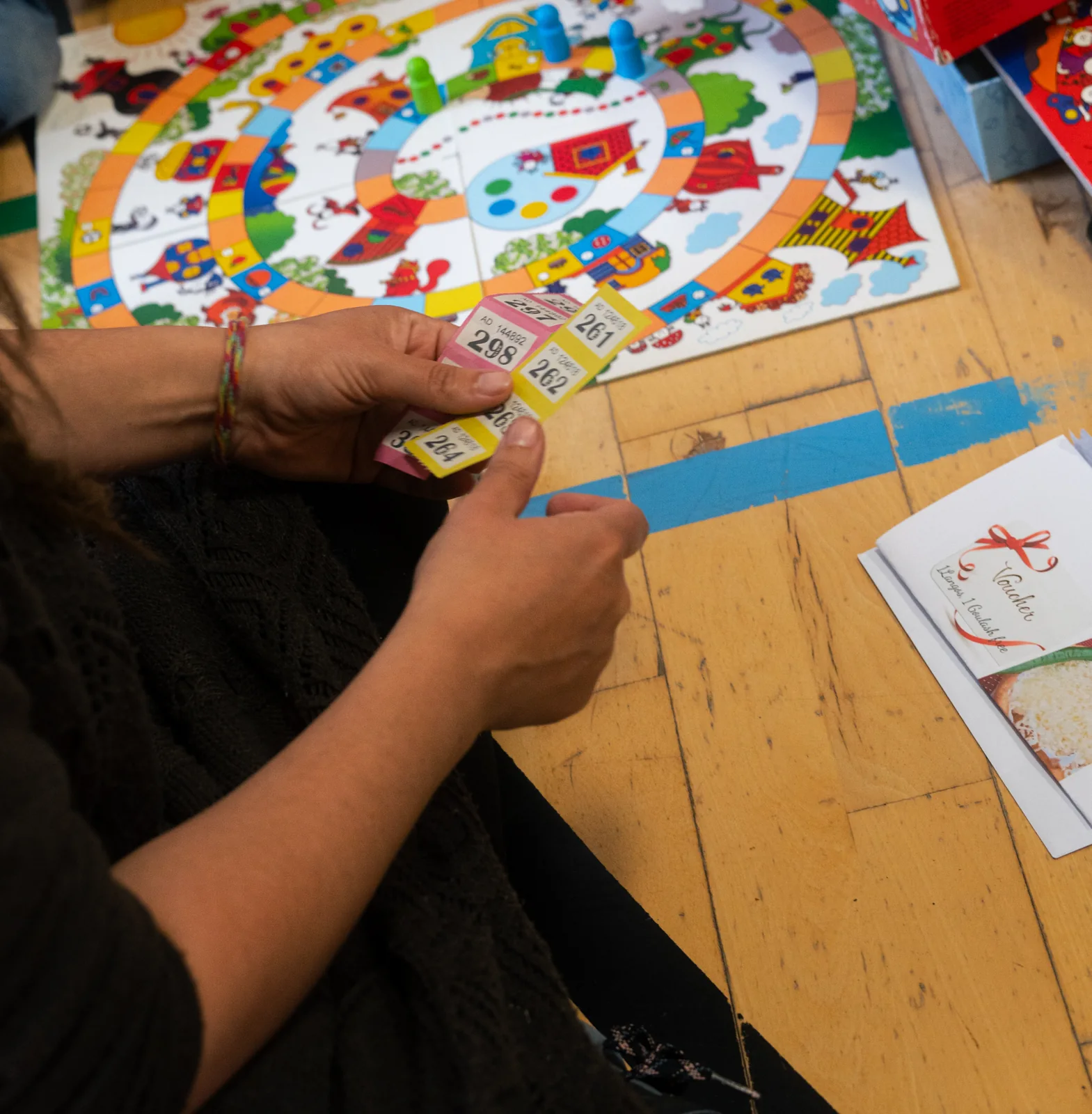
The board-game image works in a related way. The important subject is the shared surface and the activity happening around it. The public selection is framed around that action. It lets the viewer understand that this is a social environment while preserving the brief’s focus on images without faces. For businesses with similarly specific requirements, commercial photography in Dublin begins with defining what may be shown and what the images need to communicate.
Using objects to describe a place
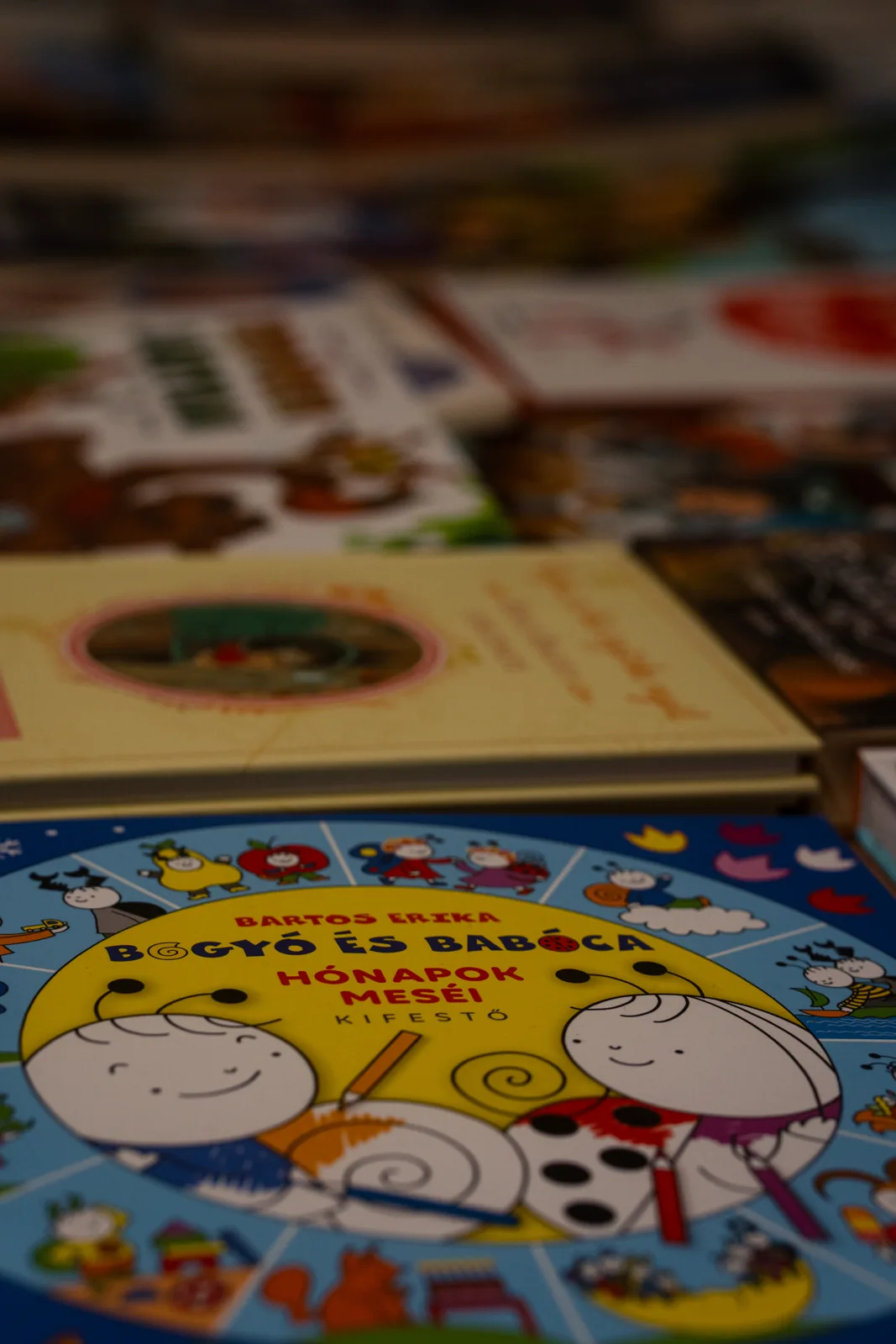
A setting is partly made by the things people leave, use and recognise there. Books, bags, toys and activity materials can tell a viewer what kind of place they are looking at. In the Dió photographs, these details help build the feeling of an active community. They are not generic props introduced to make an empty room look busy.
The small personal details are particularly useful because they connect the wider environment to everyday experience. A familiar object can make a photograph feel lived in. The creative task is to show enough context for that detail to make sense, while keeping attention on the intended subject. This differs from the product-first approach in the Macaron Boutique project, where the item itself was the main reason for looking.
Working from the child’s scale of experience
The point of view influences how a place feels. A photograph made only from an adult’s standing height can turn an activity into a distant overview. Attention to tables, hands, floor-level details and personal belongings can bring the viewer closer to how the setting is used. The resulting images can feel more immediate while still respecting the boundaries of the brief.
This does not require every photograph to use the same angle. Variety helps describe the setting. The important thing is that the perspective has a reason: it should make an activity easier to understand or give a detail the attention it deserves. The selected photographs move between close details and contextual objects, allowing the series to describe an environment through several related observations.
Colour, texture and the feeling of the room
Warmth can be communicated through more than expressions. Colour, soft areas of light, familiar materials and the arrangement of everyday objects all influence the feeling of a photograph. A bright game surface conveys a different mood from a quiet view of books. Together, those differences can describe the range of activity within one setting.
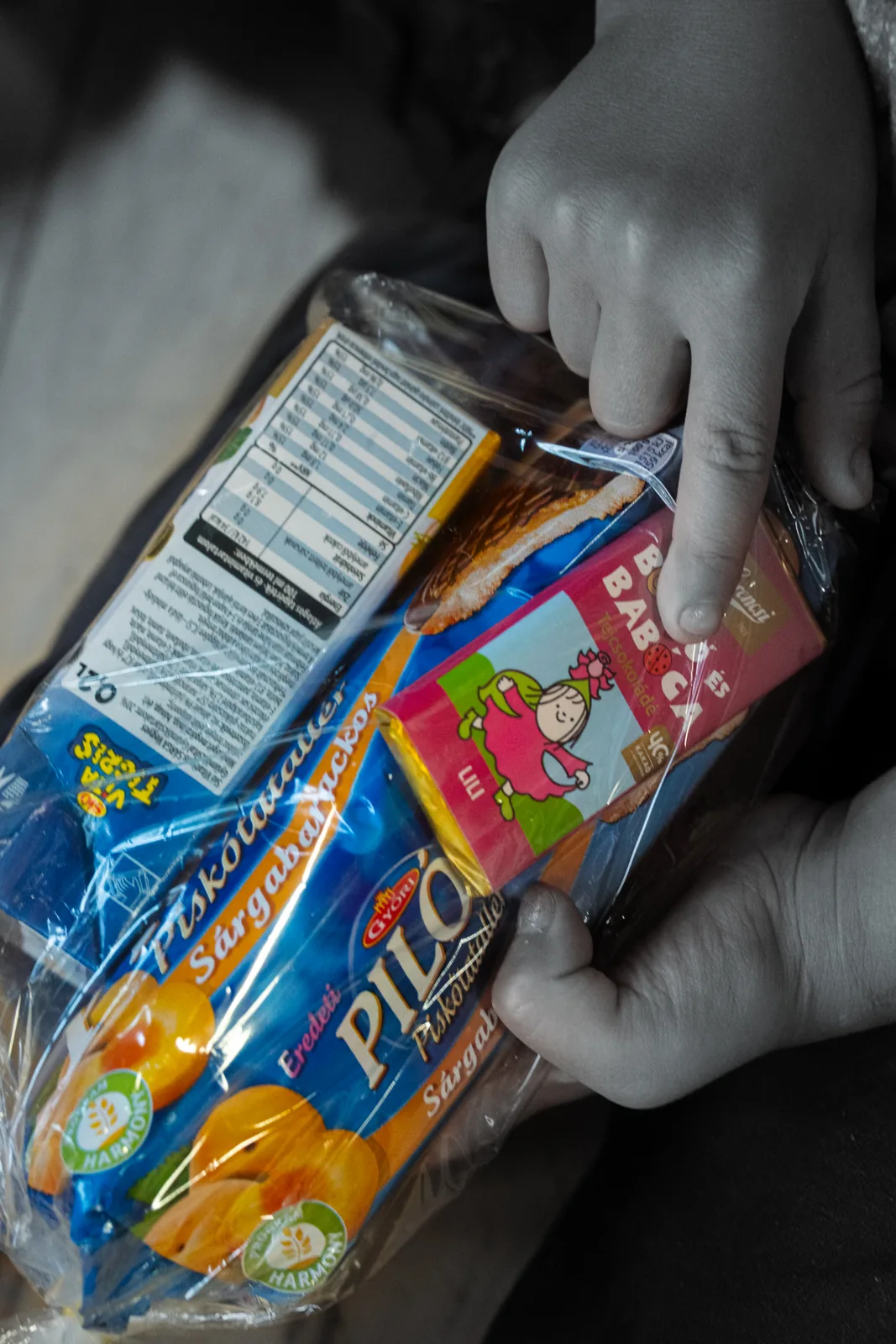
The final selection includes both colour and black-and-white work. The black-and-white detail of hands and shared treats draws attention to gesture and texture. Colour images retain the energy of the activities and objects. Each treatment has a job within the series. The aim is consistency of feeling, while allowing a particular image to communicate in the way that suits its subject.
Selecting photographs for a public portfolio
The full archive and a public portfolio have different purposes. This page uses a deliberately limited selection centred on hands, activities and objects. Images were checked individually rather than chosen only because a folder was labelled final. The face-free requirement still matters after the photography is complete, when the work is exported and placed on a website.
A crop can sometimes make the intended subject clearer, but it should not be used casually to rescue an unsuitable image. I look at the whole frame, including backgrounds, reflections and information on paper. For this case study, the board-game view is presented as a detail crop, and the surrounding gallery focuses on images that support the original creative aim. That gives a visitor a truthful view of the work without needing the entire archive.
A series built from small moments
One detail photograph gives the viewer a moment. A considered series lets those moments describe a place. The ticket box, board game, books and belongings contribute different parts of the atmosphere: participation, play, learning and familiarity. Their relationship is what gives the collection its meaning.
The sequence should avoid repeating the same idea too often. Several nearly identical close-ups can make a gallery feel larger without helping a visitor understand more. I prefer a smaller set in which each photograph adds something. That principle also appears in the SaaS networking photography project, where conversations, group photographs and venue details describe one evening from different perspectives.
What this project says about my approach
This brief required me to communicate something that could not simply be stated in a portrait. I had to look for evidence of the atmosphere in the activity itself. It is the kind of constraint I enjoy because it gives the work a clear problem to solve. The final images need to feel human even when the most familiar human cue, a face, is outside the frame.
My background in marketing and visual content informs that way of working. I want to understand what a photograph needs to help a viewer see or feel before deciding how it should look. The Dió work is a specific example of that process. The relevant skill is careful observation and selection, shaped by the setting and the brief rather than a standard list of poses.
How the photographs can support communication
For a community or early-years setting, images can help explain activities and atmosphere alongside accurate written information. A detail photograph may sit with a description of a particular activity or introduce the feeling of a place. It should support the information a parent or visitor needs, without asking one image to prove every aspect of the organisation.
The use of each photograph should be agreed by the organisation. A portfolio selection is not a substitute for its own permissions and communication policies. When planning a new assignment, I ask where the images will appear and which boundaries apply. That is part of choosing the right subjects and formats, just as image size and orientation matter for a website, printed material or social post.
Planning a similar photography brief
A useful starting point is a short description of the atmosphere to communicate and the things that must stay out of the images. Then list the activities, objects and spaces that can tell the story. The organisation should identify a contact who can explain the schedule and confirm which situations are suitable to photograph. This keeps the creative work connected to the actual setting.
If a project also needs video, that should be planned as a separate set of deliverables. Moving images introduce sound, sequence and different visibility considerations. The short-form video service can be discussed where appropriate, while the business video planning guide helps define audience and use. There is no need to add video when photographs already meet the brief well.
The result and the next conversation
The result is a set of photographs that communicates activity and warmth through detail. The public gallery demonstrates the central creative decision: you can understand the setting through shared objects and gestures without relying on a child’s face. It is a different kind of evidence from a conventional portrait series, and that difference is exactly what the brief required.
For other photography uses, explore the Úri Muri image project and the SaaS networking gallery. If you are planning a Dublin photography assignment with specific boundaries, send me the setting, intended use and requirements. We can turn those details into an image plan with the photography service and a written scope before booking.
The result
Warmth, carried by the small details
The selected photographs show warmth and participation through everyday detail. Hands, games and familiar objects carry the emotional meaning while keeping the public presentation aligned with the face-free brief.
Explore more
Need content with a clear purpose?
See the relevant service or send a short brief. I will recommend the simplest production plan for the result you want.