
An event video is easier to reuse when you decide before the event who will watch it, where it will appear and what each finished edit needs to communicate. “Cover the event” describes attendance; it does not tell a producer whether you need a longer recap, social edits, speaker moments, sponsor material or a film that helps promote the next event.
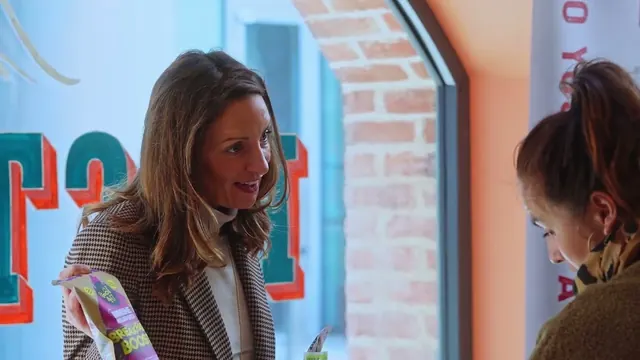
For Gut Fest, Dublin’s first gut health festival, the brief included several short social videos and one longer film. The event moved from food, fermentation and practical learning to yoga and an energetic dance session. The final edit had to connect those different moods. You can see the Gut Fest event videography case study.
Decide how the footage will be used
Start with the audience and the next few months of communication. An organiser may want to thank attendees, introduce the next event, show potential partners what the day felt like or share short moments from a talk. Those uses call for different edits.
Write down the likely outputs before you ask for a quote:
- A longer highlight film for the website or event page.
- Short vertical edits for social channels.
- A few specific speaker, activity or venue moments.
- Still images if the event needs photographs too.
The event videography service can be scoped around the schedule and finished edits. The event videographer price guide explains why coverage time and editing should both appear in a proposal.
Build a useful running order
The event schedule helps identify what needs coverage and when it happens. Mark the important people, activities, sponsor moments and transitions. Leave space for details that show the atmosphere, but do not rely on an editor to infer which activities mattered most to the organiser.
At Gut Fest, the room included practical learning, food and movement. Those pieces needed to feel connected in the longer film. The closing dance sequence brought a different energy, so it worked best as the final turn in the story rather than a random collection of clips.
Give the production team a contact person who can point out schedule changes and introduce speakers. If a guest, performer or attendee needs to be featured, agree permissions and expectations ahead of time. For a private or sensitive event, make the boundaries clear before recording begins.
Capture both the main story and the small details
A highlight edit needs more than the speaker at the front of the room. It may also need the audience listening, a venue detail, food being prepared, conversations between sessions and a sense of how one part of the day leads into the next. These images make the final sequence feel like an event people attended, not a presentation filmed from one position.
Sound deserves attention too. A clear interview or short comment can give the edit a human anchor. Background noise at a crowded event can make spontaneous speech difficult to use, so plan any short interviews in a quieter area.
If photographs matter, ask for them as a defined part of the brief. A still-image gallery and an event film serve related but different needs. See commercial photography in Dublin and the combined video and photography work for Amber Oxygen Therapy for an example of both formats in one project.
Make several edits without repeating the same moment
Short edits should each have a reason to exist. One might introduce the event, another show a useful idea from a session and a third capture the atmosphere. If every vertical video uses the same opening and the same sequence, the package feels repetitive even when the footage is technically good.
Agree the likely topics and lengths before the event. The final plan can adapt if something changes, but the editor should know which moments are essential and which can be left out. Our short-form video production service can deliver edits for social use; the content day versus business film guide helps distinguish multiple short videos from one longer story.
Give the finished work a place to go
Choose a delivery date that leaves time for selection, editing and feedback. Decide who approves names, dates and sponsor details. If you want to promote the next event with paid media, align the edit with the campaign and destination page through Google and Meta Ads management.
How can one event create more than one useful edit?
Plan each edit around a distinct reason to exist. A short recap can show the atmosphere; a speaker clip can share one useful idea; a sponsor version can highlight agreed contributions; and a longer film can connect the day into a fuller story. Avoid producing several edits that all begin with the same sequence and say the same thing. A content list should identify the audience, key moment, format and intended channel for each version.
This does not mean every event needs a large package. A small gathering may need one concise recap and a few photographs. A conference with several sessions may benefit from a longer film plus selected speaker clips. The event videography service can be scoped around the run of show, while the event videographer price guide explains why coverage hours, travel, edit count and turnaround all affect a quote.
What should organisers prepare for filming?
Share the schedule, venue access, key contacts, names and pronunciations, essential moments and any restrictions. Mark the parts that cannot be repeated, such as an opening, award or guest appearance. Identify a person who can flag changes and introduce the production team to speakers or participants. If a session is more important than a decorative detail, say so explicitly.
Clarify permissions and privacy before the event. Tell attendees where recording will take place, obtain releases where needed and define areas or people that should not appear. For private, health-related or children’s events, be particularly careful about consent and distribution. Agree whether the finished work can be used publicly by the organiser, speakers and sponsors; usage should not be left to assumption.
Check the room conditions as well. A schedule may look spacious but still leave little time to move between rooms. Ask where equipment can be placed, whether there are sound feeds, when the room is accessible and whom to contact if the program changes. These practical details protect coverage of the moments that matter.
What is the difference between event video and event photography?
Video records movement, sound and transitions; photography gives organisers individual still images for galleries, press, websites and promotional material. One format does not automatically include the other. If both are needed, list the image count or coverage scope, delivery timing and intended use in the proposal. Coordinating them in one schedule can help, provided the team has enough time to create each deliverable well.
For still images, see commercial photography in Dublin. The Amber Oxygen Therapy project shows an example of video and photographs delivered together for a business. It is a different kind of project from event coverage, but it illustrates why both formats need an explicit brief.
How do you make a longer event film feel like a story?
Look for the event’s progression: arrival, introduction, activity, interaction and a strong ending. Select moments that show how the day changed rather than simply listing everything that happened. Establishing views of the venue help the viewer understand the space; close details can make the experience feel tangible; reactions and transitions connect the main activities.
Gut Fest at the Factory at Bolands Mills moved from food, fermentation and practical learning to yoga and an energetic dance session. The brief included several short social edits and one longer film. The longer edit needed to connect those distinct moods, and the closing dance gave the film a clear shift in energy. The Gut Fest case study describes that project without making claims about reach or ticket sales.
Sound can carry as much meaning as the image. If a speaker’s words matter, agree which sessions should be recorded and how clean audio will be captured. At a busy venue, a short interview in a quieter area may be more usable than an impromptu comment beside a loud stage. Music should support the atmosphere and be licensed for the intended use.
How can organisers reuse the edits after the event?
Give each finished piece a destination. A recap can sit on the event page, a vertical edit can introduce the next date on social media, a speaker excerpt can accompany a related article and a sponsor edit can be shared with named partners. Adapt the caption and call to action to that destination. Reposting the identical edit everywhere may be convenient, but it can miss the context people need on each channel.
If the video is part of a paid campaign, brief the audience, campaign destination and required versions before production. The Google and Meta Ads service covers campaign management separately from event filming. A sequence of edits can also be planned as short-form video production, while the short-form versus long-form guide helps decide what each format can do.
For regular events, the organiser can build an annual content plan around registration dates, speaker announcements, event-day coverage and post-event follow-up. A monthly content production plan may suit recurring needs. If a short batch or single film is enough, compare it with the content day versus business film guide and the business video planning guide.
How should an event video quote be compared?
Check whether the quote states coverage hours, number of locations, crew size, deliverables, aspect ratios, captions, music, review rounds, travel, deadline and usage. Ask what is excluded, such as raw footage, extra edits, same-day delivery or still photography. A lower headline price may cover fewer finished pieces or a shorter schedule, so compare the included work line by line. The video quote checklist offers a simple way to do that.
After delivery, collect feedback from the organiser and note what helped the next event: which edits were actually used, what information was difficult to get and which moment should be prioritised next time. This is a practical learning loop, not proof that video caused a particular sales result. For a broader video budget, see the Dublin videographer cost guide and corporate video cost guide.
Frequently asked questions
When should we book an event videographer?
Once the event date and likely coverage needs are clear. Early planning gives time to confirm access, permissions, deliverables and schedule details.
Can event footage be used to promote next year’s event?
Yes, if the footage and usage rights fit that purpose. Choose evergreen moments and confirm that speakers, attendees, music and sponsor materials can be used in future promotion.
Do we need a longer film and social clips?
Only if both have a clear use. A longer recap can tell the event story; shorter edits can highlight specific moments. Agree their audiences and destinations before recording.
The most useful event brief includes the schedule, priority people and moments, audience, finished edits, permissions and delivery deadline. Send those details through the NextVision contact page to plan event video production in Dublin.