
Real project by NextVision Studio
Pekado Kebab: A New Arrival
An Alicante food-business video brief focused on a new exterior, aerial views and distinctive food, with a finished vertical film from the project.
- Client
- Pekado by Dickens
- Location
- Alicante, Spain
- Project
- Restaurant introduction and food video
- Date
- 2025
The brief
What the project needed to achieve
The creative priorities were the new business’s exterior, including drone footage, and a clear, appetising introduction to its distinctive food.
The work
What I created
Deliverables
- Finished vertical food-business video
- A project brief connecting the venue and its food
- Selected video frames for this portfolio page
Production choices
- Location and food treated as connected parts of the introduction
- Close food details and preparation given clear screen space
- Vertical delivery for a phone-first viewing context
Watch the finished work
Selected images from the project
A new food business has a practical problem: people need to recognise the place before they can choose it. For the Pekado Kebab project in Alicante, the brief brought two priorities together. The exterior needed attention, including drone footage, and the food needed to show why the business was worth a closer look. The video had to introduce a location and give a viewer something appetising to remember.
That combination shaped the work. An exterior view answers where the experience begins; a close view of preparation or a finished dish answers what is waiting inside. My job was to connect those two parts in a short, clear piece of hospitality content. The finished video is part of my international portfolio and sits alongside Buga Ramen in Alicante and the Macaron Boutique film.
Introducing a business people do not know yet
An established venue can rely on familiar signs and memories. A new business has to build that recognition. A viewer may have passed the building without noticing it, or may know the name without understanding the food. The brief therefore needed more than a close-up of a meal. It needed an introduction that made the place feel identifiable.
For Pekado, the new exterior was an explicit priority. Showing it gives the food a location and helps the audience connect the business name to a real entrance. The visual story can move from the surroundings towards the product instead of starting with an item that could belong to almost any restaurant. That connection between place and product is the reason exterior footage belongs in the brief.
Why the exterior mattered to the film
The outside of a food business forms the first impression for a passing customer. Its sign, entrance and position help people decide whether they have found the right place. In the video, those details can do useful work before any caption explains them. They provide context and make the business easier to picture as somewhere a viewer could visit.
The exterior and food need to support the same impression. If the opening is all location and the rest is all product, the two parts can feel disconnected. A considered sequence makes the transition clear. That is a production planning issue: identify the exterior views that explain the business, then connect them to the activity and food inside. My business video planning guide describes how those priorities become a workable brief.
Using drone footage with a clear purpose
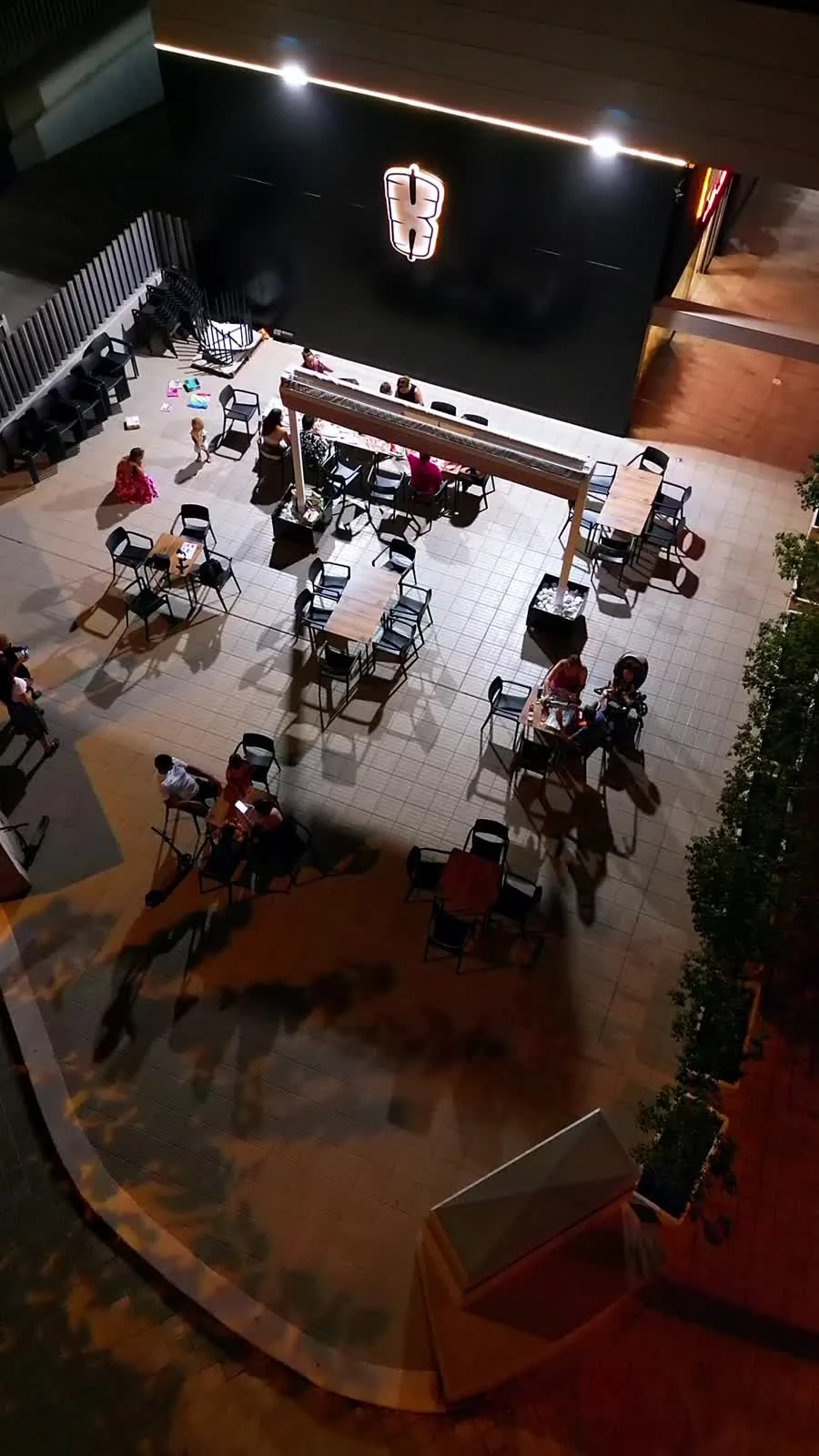
Drone footage was part of the brief because the outside of the business deserved more attention. An elevated view can reveal context that is difficult to communicate from a tight street-level image. The useful question is what that perspective tells the viewer. It should help introduce the location or the exterior rather than interrupt the story with an impressive but unrelated view.
For another project, the feasibility of aerial work would be checked against the location, access, weather and applicable operating conditions before promising it in a quote. A restaurant should not have to guess whether an exterior idea can be delivered. The production proposal needs to state the agreed approach and any alternative. The wider videography service covers projects planned around the actual place and brief.
Giving the food a distinct place in the edit
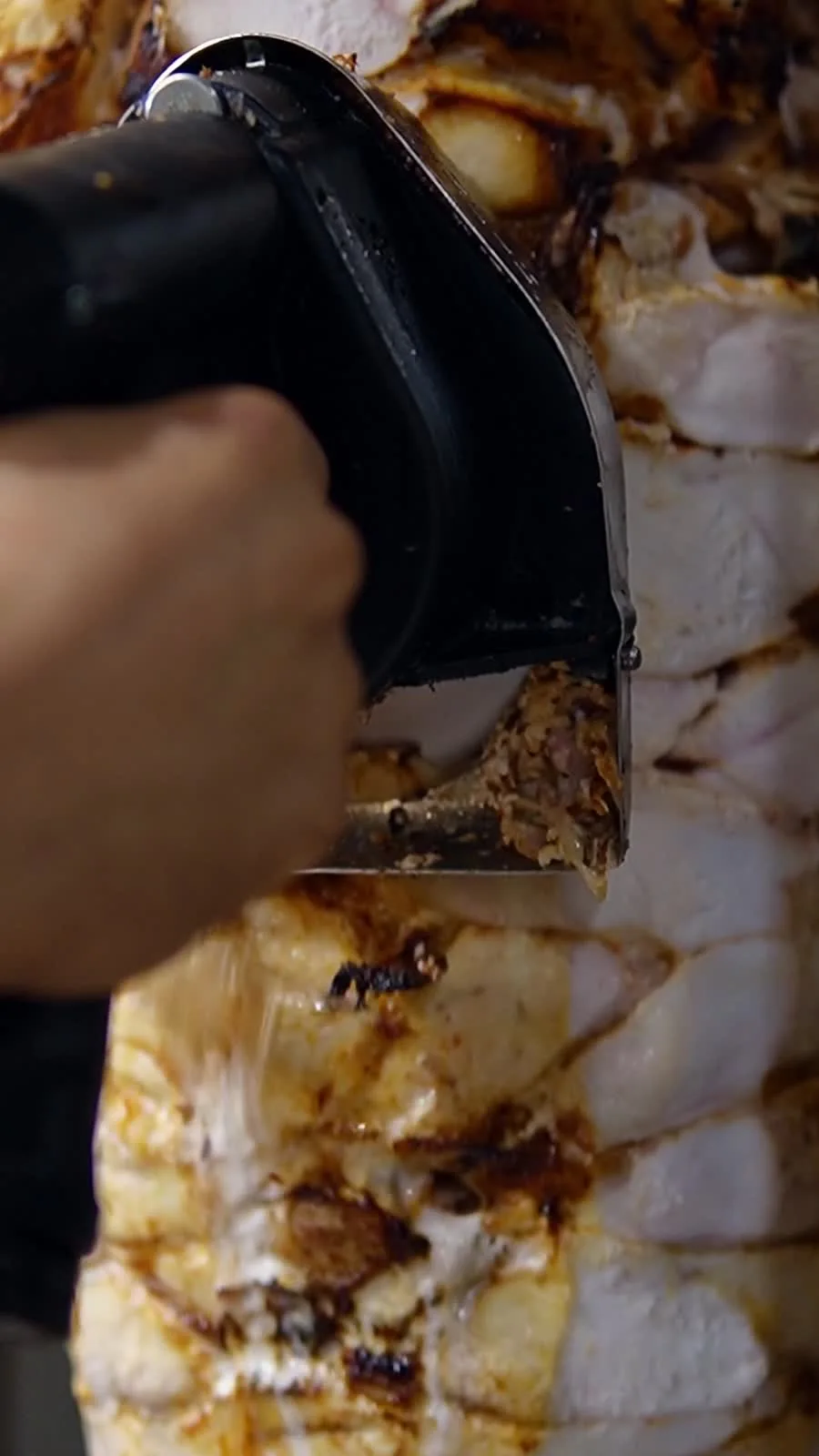
The second priority was the food itself. Close views can show preparation, ingredients coming together and the texture of a finished dish. In the finished material, food occupies the frame clearly, giving the viewer a chance to notice what is being served. That matters for a business whose offering may be unfamiliar to a first-time customer.
Food content needs care with scale and context. A detail can look appealing without explaining what the customer receives. Wider views, serving pieces and the relationship between ingredients can make the image more informative. I look for a balance between appetite and clarity. The product video cost guide for Ireland explains why styling, preparation and the number of products change the scope of a food or product production.
Showing preparation as part of the product story
Preparation gives food video movement and sequence. A customer can watch something being assembled or finished, then see the result. That creates a simple reason for one image to follow another. It also allows the business to show real work rather than depend entirely on a final plated view.
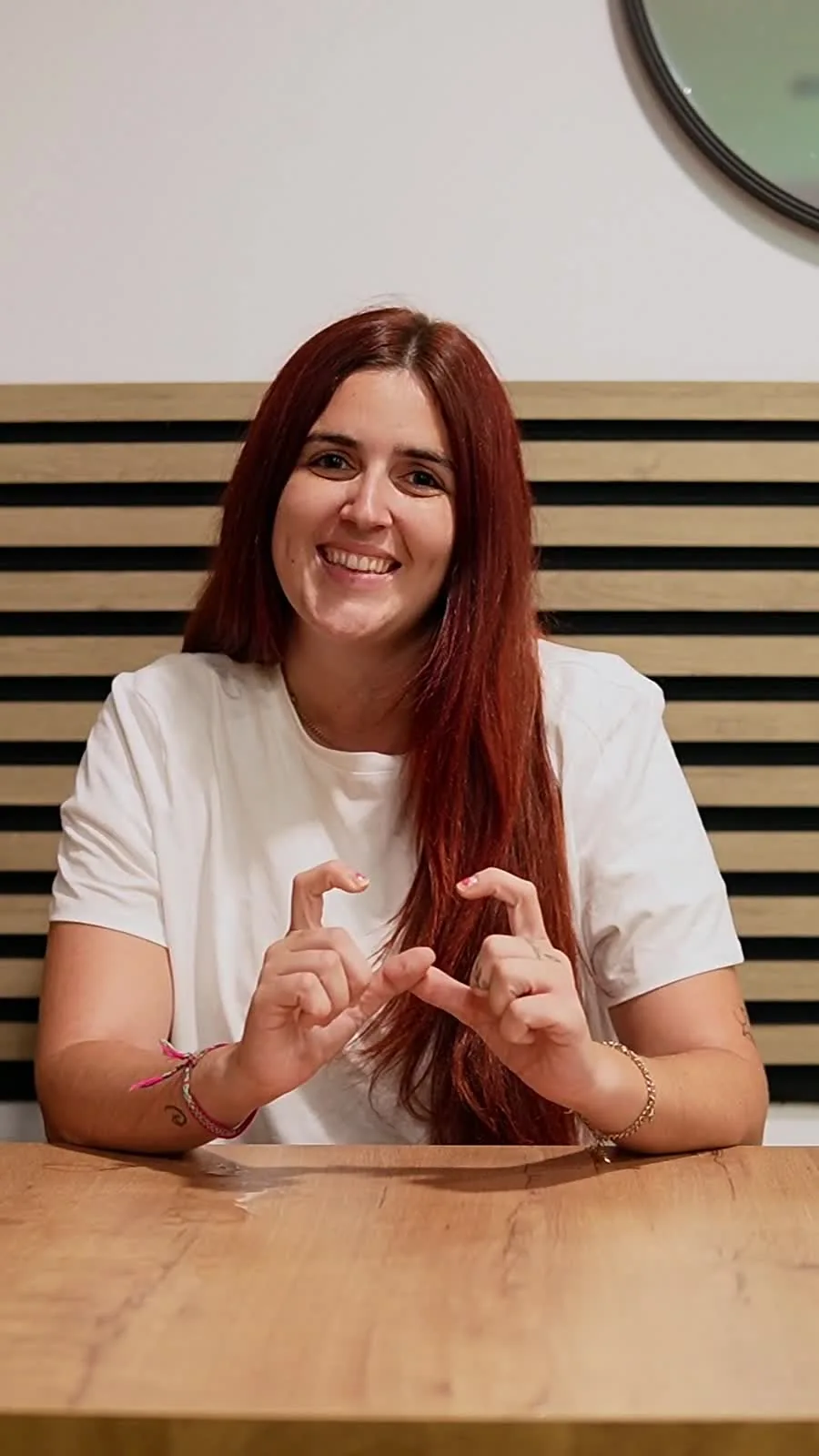
The selected material includes close food details and a person speaking in the restaurant. Those elements contribute different information: the detail shows the product, while a person can give it a human context. A similar relationship between explanation and visible work appears in the Perfect Clean advertising project. The subject is different, but the viewer still needs the words and images to describe the same business.
Keeping the opening understandable on a phone
Short-form content has limited room for an introduction. The first images should establish the subject without asking the viewer to decode a long setup. For this brief, the location and food supplied recognisable subjects. The edit could introduce the business through what is visible instead of relying on a paragraph of text over the image.
The archive contains vertical finished versions. A vertical composition gives a dish, preparation action or speaker a clear place on a phone screen. It also means the producer needs to choose which detail matters within a narrower frame. The short-form production guide and short-form video service explain how format and delivery requirements are agreed before editing.
Making a new business feel specific
The strongest part of a new-business brief is usually something concrete. It may be a new exterior, an unusual menu item, a particular preparation method or the people behind the counter. For Pekado, the brief named the exterior and distinctive food. Keeping those priorities visible gives the film a reason to belong to this business.
The Buga Ramen project demonstrates another route into restaurant content: an immersive interior and Japanese-inspired atmosphere. The Macaron Boutique film follows the character of a boutique and its products. Looking at these projects together shows how the same category, hospitality, can lead to different creative choices once the individual brief is clear.
Where still photography fits
A short video can introduce a restaurant, while still photographs can help someone browse a menu, compare food or understand the venue on a website. If both are required, the brief should state which products and views need to be delivered as photographs. Extracting a frame from a film can be useful for a case study, but it is a different task from planning a dedicated photo collection.
The images shown with this project are selected frames from the finished video. For a new commission, commercial photography can be scoped alongside filming. The commercial photography planning guide helps define the image subjects and uses, while the product photography checklist is useful when several menu items need consistent attention.
What the finished work contributes to the portfolio
The Pekado project demonstrates a practical hospitality brief with more than one scale: the business’s outside presence and the details of its food. The finished film connects a recognisable place with what it serves. It is an example of using location and product together to introduce a new business, rather than expecting either element to carry the whole message alone.
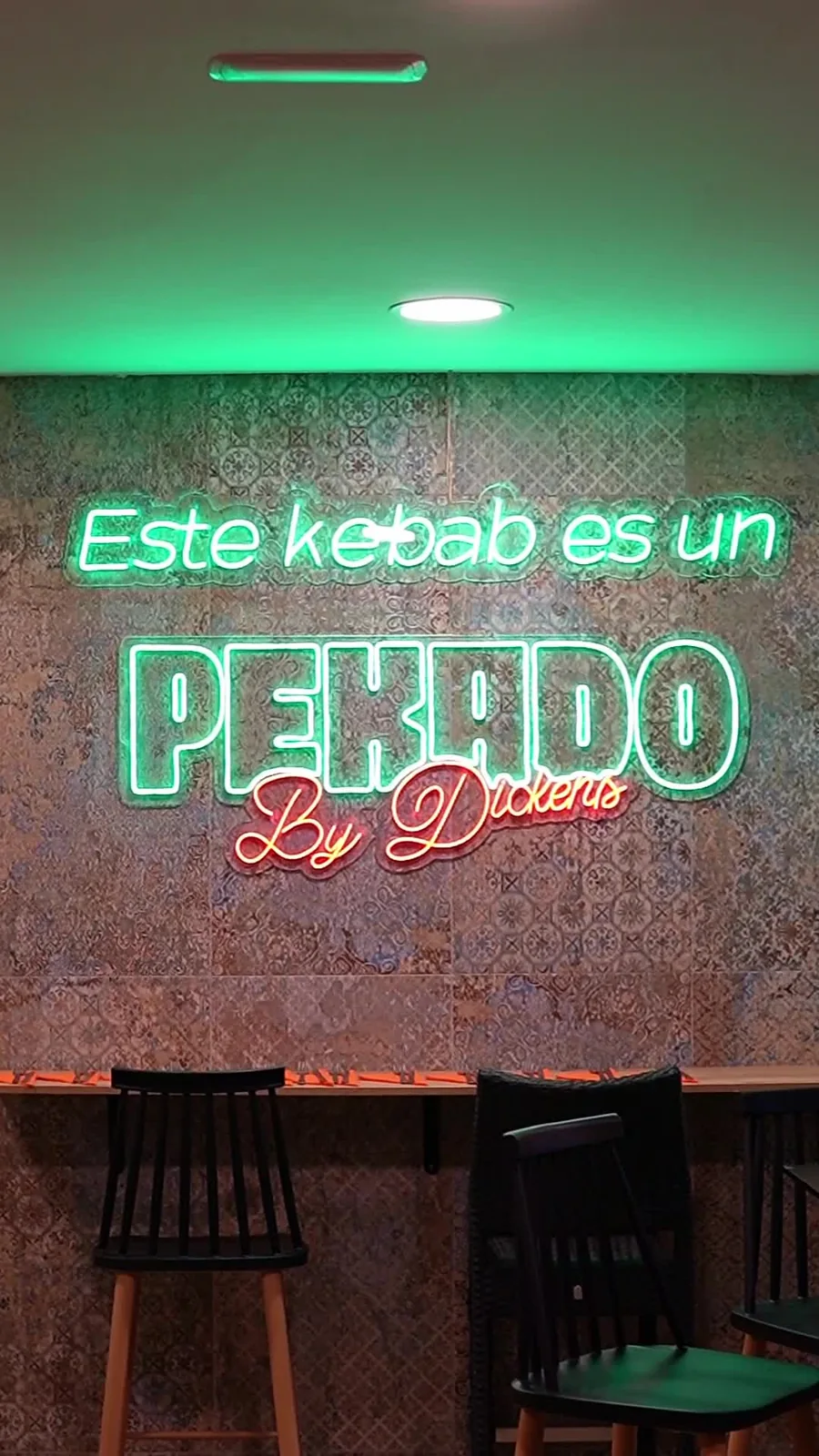
The finished material includes a high exterior perspective, the illuminated entrance, close preparation details and a person speaking inside. Those views give the introduction a practical range. A viewer can see the location, follow part of the food preparation and spend time with a human voice from the setting. That combination is the useful part of this brief: the business is introduced through several connected pieces of information, all visible in the final film.
Planning a similar opening or refresh
For a new venue or an exterior refresh, I would begin with the business’s main change. What should people notice now that they would not have noticed before? Which entrance, sign or food item makes the message clear? Those answers help decide the sequence, timing and preparation. They also identify the practical information the destination page should contain afterwards.
A single introduction may be enough for one launch. A business with regular menu changes may need monthly social content production instead. The content day versus business film guide explains the difference between a batch of short pieces and a fuller introduction. The video quote checklist helps compare the actual work included in each option.
Connecting the content to a customer action
Once the film is ready, the business needs a sensible destination for attention. A viewer interested in the food should be able to find the menu, location and relevant contact or booking information. A clear website page continues the story introduced in the video. If that page is difficult to use, the customer still has work to do before deciding what to order or where to go.
NextVision can discuss website design and Google or Meta advertising alongside production where those services are required. Each part should have a defined scope. For a food business planning new content, send me the location, intended channels and the change you want people to notice. That is enough to begin shaping a proposal around the real business.
The result
A recognisable place and an appetising introduction
The project connects a new food business with its offering, using a practical hospitality brief that gives the location and food a defined role. The finished film provides the moving-image example presented on this page.
Explore more
Need content with a clear purpose?
See the relevant service or send a short brief. I will recommend the simplest production plan for the result you want.