
Real project by NextVision Studio
Buga Ramen: Japan in Alicante
A restaurant film for Buga Ramen in Alicante, connecting Japanese-inspired atmosphere, anime details and food in a short visual story.
- Client
- Buga Ramen
- Location
- Alicante, Spain
- Project
- Restaurant video and short-form content
- Date
- 2025
The brief
What the project needed to achieve
The brief was to convey the feeling of stepping from Alicante into Buga Ramen’s Japanese-inspired world, with food and atmosphere carrying equal weight.
The work
What I created
Deliverables
- One finished vertical restaurant film
- Food, menu and interior details connected in one sequence
- Selected frames from the film shown with this case study
Production choices
- The restaurant’s existing colour and design guided the visual direction
- Food details balanced with the setting around them
- Close views selected to make a busy interior readable
Watch the finished work
Selected images from the project
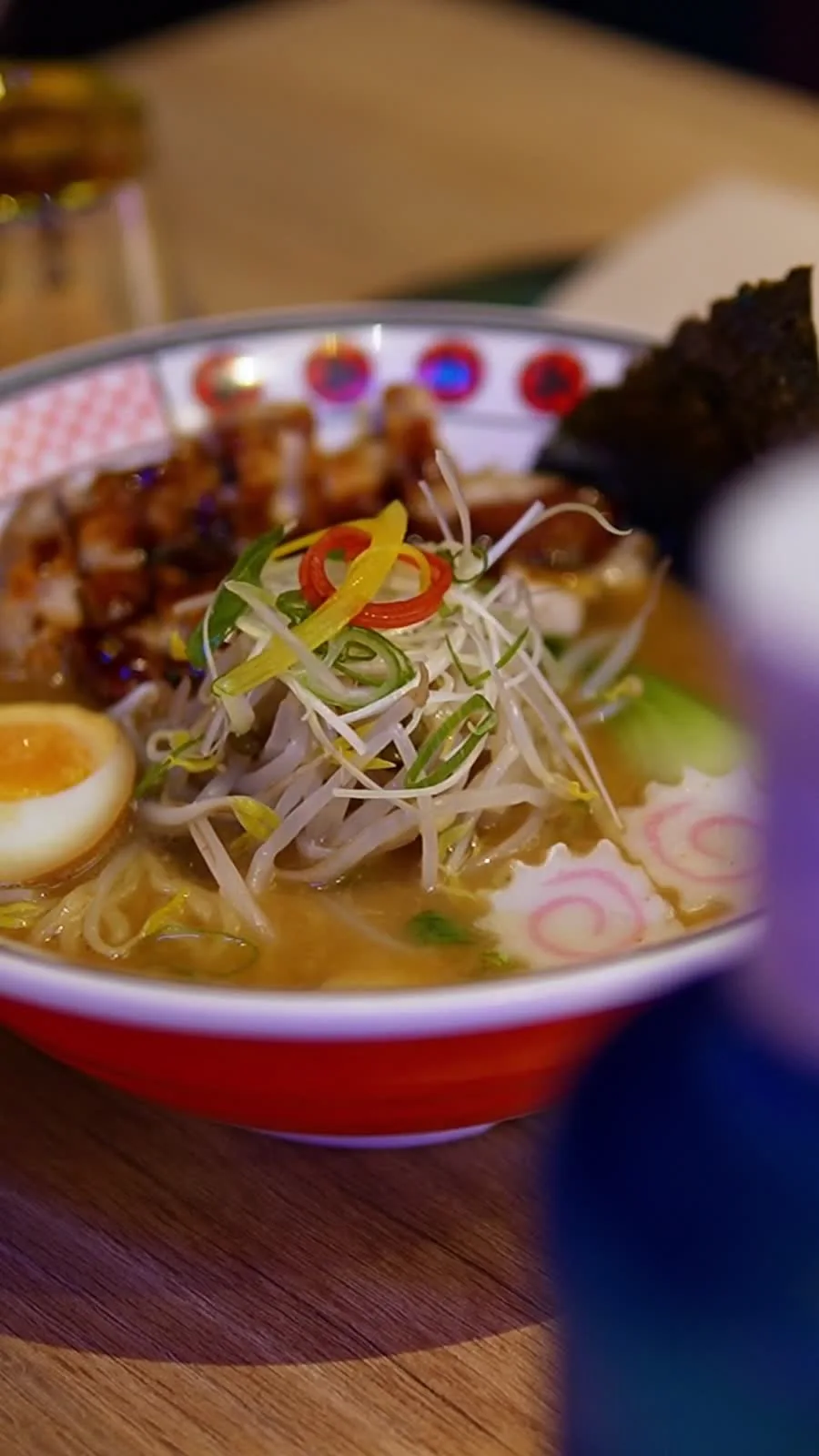
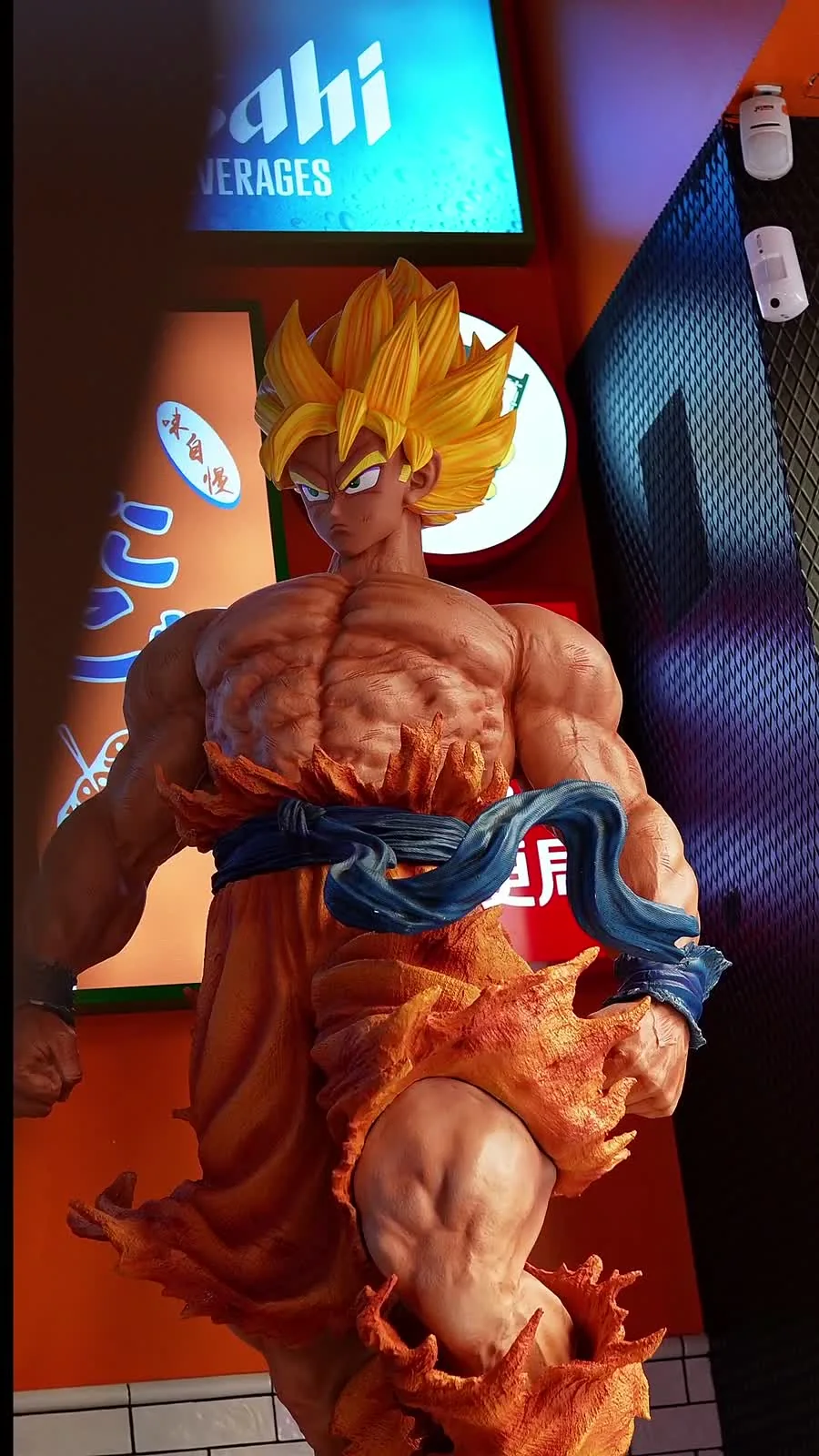
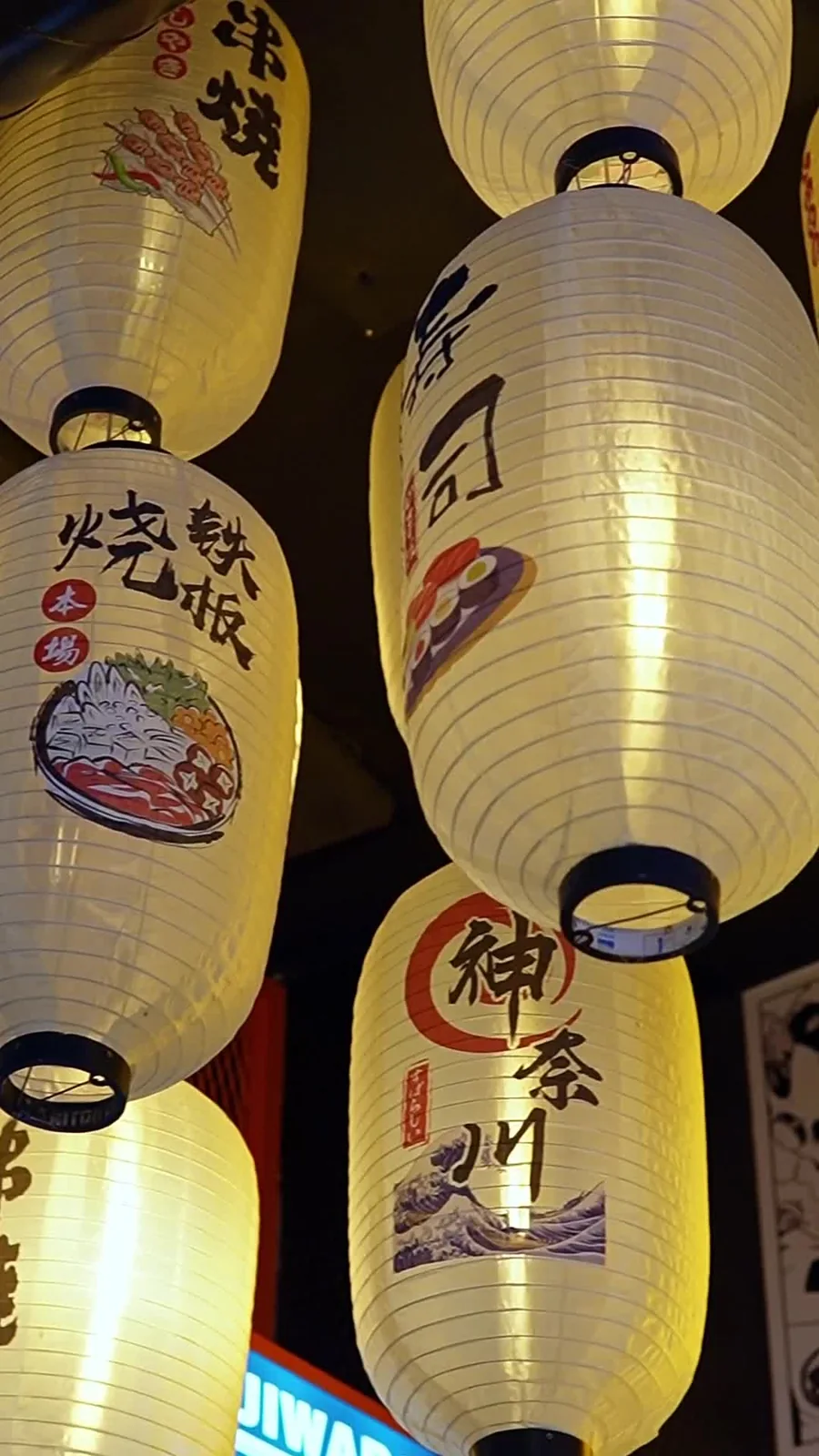
Walking into Buga Ramen in Alicante changes the setting around you. Outside is a Spanish city; inside are Japanese lanterns, anime references, bright signs and bowls of ramen. My brief was to carry that feeling into a short restaurant video. The food needed to look inviting, and the room needed to explain why eating here feels different from ordering an ordinary takeaway.
That sense of stepping into another place guided the work. I wanted the viewer to notice the restaurant’s own character before seeing a message telling them to visit. The finished film moves between the menu, food and interior details, giving the audience a close look at the experience. This is an Alicante project in my international portfolio; the same approach to a business’s individual character informs my short-form video production in Dublin.
A local restaurant within an international brand
Buga Ramen is an established Japanese restaurant chain with an international presence in Spain and Portugal. Its official Spanish website lists restaurants in cities including Alicante, Madrid, Barcelona, Valencia, Bilbao and Seville. The Portuguese website presents the same combination of Japanese food and an immersive setting. That gives the Alicante restaurant a wider brand context while leaving the individual space as the subject of this film.
It was a privilege to create work for the Alicante restaurant within that wider brand. The responsibility was to represent what makes the experience recognisable: the food, the visual references and the atmosphere inside. Calling the business international should help explain the commission. The film still needed to show a real restaurant that a person in Alicante could choose to visit.
The creative question: what happens when you cross the doorway?
A restaurant can describe itself with a cuisine, menu and address. Video has another useful job: showing how it feels to be there. For Buga Ramen, the doorway represents a change of atmosphere. The brief was about taking the viewer away from the street and into the restaurant’s Japanese-inspired world. That gave the film a more specific purpose than recording a collection of attractive dishes.
The challenge was keeping the experience coherent. Lanterns, signs, characters and food all compete for attention in a lively interior. Selecting a few recognisable details gives the viewer a way through that visual information. The finished piece uses close views to make individual elements readable, then connects them through the rhythm of the edit. Each detail belongs to the same place rather than feeling like an unrelated image collected for decoration.
Showing the food alongside the setting
The food was central to the brief. A viewer should understand that this is somewhere to eat, even when the interior is visually striking. Close views of dishes and accompaniments bring the attention back to the table. They introduce texture, colour and the practical reason for visiting: choosing something from the menu and enjoying it in that setting.
The bowl of ramen and the closer food details give the film a practical centre. They bring the viewer back from the illustrated walls to the meal itself. That return matters: the setting invites curiosity, and the food gives that curiosity somewhere to go.
For food content, the framing needs to make the subject easy to recognise. A very tight detail can be beautiful while telling a new customer little about the dish. Context helps. The menu, serving pieces and surrounding table details give the food a place in the restaurant experience. A similar balance appears in my Macaron Boutique product video, where the products and the boutique’s character belong in the same story.
Letting the interior communicate the culture
The lanterns and illustrated walls are prominent in the finished video. They matter because they are part of what a guest sees on arrival. The Japanese-inspired setting is already present in the restaurant; the production’s job was to notice it, frame it clearly and give the viewer enough time to take it in. Borrowing an unrelated visual style would have weakened that connection.
The cultural references also needed context. The film presents Buga Ramen’s own interpretation of Japanese food and pop culture in Alicante. It does not claim to document everyday life in Japan. That distinction allows the video to celebrate the restaurant honestly. The material is specific to this business, its design and its menu. For a wider hospitality brief, my commercial photography service can provide complementary images that show a venue and its details in a different format.
Working with colour, detail and pace
The restaurant’s colour is a major part of its identity. Bright signs sit beside warm lantern light and illustrated surfaces. If every cut tried to be the loudest moment, the viewer would have little opportunity to understand the room. A useful rhythm lets a detail register before the next one arrives. The edit can then build a sense of variety without making the space feel confusing.
The finished film offers several scales of detail: a menu, a wall illustration, hanging lanterns and food on the table. Those changes keep the eye moving while maintaining one subject. The creative decision is always about what the next image adds. This relationship between message, detail and duration is explored further in the short-form video guide.
Why a vertical restaurant film fits this brief
The archive contains a finished vertical film, which makes the close details easy to see on a phone. A vertical composition can give a dish, lantern or sign a strong place in the frame. It also encourages a focused choice: which element should a viewer notice first, and which parts of the room can remain in the background?
A vertical film still needs a beginning, development and ending. The format does not remove the need for a story. For Buga Ramen, the connection between food and atmosphere supplies that structure. A longer website film would have room for a different kind of explanation, such as a fuller tour or a conversation with the team. The short-form versus long-form comparison explains how I choose between those uses when planning a brief.
The restaurant’s character shaped the production
The Buga Ramen film and the nearby Pekado Kebab project both concern food businesses in Alicante, but their priorities differ. Buga Ramen’s story is about an immersive interior and the food within it. Pekado’s brief gives more attention to a new business’s exterior and distinctive food. Applying the same sequence to both would hide the reason each place is worth showing.
That is why the initial conversation matters. A producer needs to understand what guests remember, what the business wants to introduce and what should appear in the finished work. A useful business video planning brief turns those answers into production choices. It also prevents the filming day from becoming an attempt to collect every possible image with no shared priority.
What the finished work demonstrates
The result is a restaurant film built around food, design and the feeling of entering Buga Ramen. It gives me a concrete example of international hospitality work to show prospective clients. The selected frames on this page are taken from that finished film, and the video can be watched here. They show the actual project rather than a separate concept created for the case study.
What I wanted to preserve was the relationship between a meal and the world around it. The lanterns establish the room; the food brings the viewer to the table; the illustrated details keep the restaurant’s personality present between those moments. The finished film lets someone encounter those parts together before deciding to visit. For another hospitality brief with its own visual language, see the Úri Muri drinks and photography project.
Planning a similar restaurant project
For a restaurant, I begin by asking what a first-time guest needs to understand. It might be the setting, the food, the team, a new opening or a seasonal menu. Agreeing that priority makes the rest of the brief easier: which dishes should be ready, when the room will look right, who can appear and which versions the business needs afterwards.
If photographs are required as well, I list them separately so there is time to create both formats properly. The product photography planning guide is useful for organising the detail images, while the product video cost guide explains how preparation and deliverables affect scope. A single restaurant film and a recurring monthly content plan should each have a clear job.
From a finished video to a useful next step
A restaurant should know where its film will appear and what a viewer should do after watching. That might mean opening a menu, finding the location or making an enquiry. The destination needs to match the content. If the film introduces the setting, a page with photographs, practical information and the menu provides a sensible continuation.
Paid distribution can be planned around the creative when required through Google and Meta Ads management. It needs its own audience, budget and measurement plan. For a production proposal, the video quote checklist helps identify formats, review rounds and usage before booking. You can also read about my background and approach or send me your restaurant brief, including the location and what makes the place distinctive.
The result
Food and atmosphere in one restaurant film
The film introduces the Alicante restaurant through the relationship between its food, lanterns, illustrations and distinctive atmosphere. It is an international hospitality project created for one restaurant within the wider Buga Ramen brand.
Explore more
Need content with a clear purpose?
See the relevant service or send a short brief. I will recommend the simplest production plan for the result you want.